
Harlequin toads are small, usually colourful and diurnal amphibians. Their skin secretions protect them from predators. However, harlequin toads were defenceless against an epidemic disease that was introduced to South America several decades ago: the so-called chytrid fungus. Since then, many species of harlequin toad have become extinct or gone missing. This was also the case for the two species ‘Atelopus coynei’ and ‘Atelopus lynchi’, which were only rediscovered a few years ago in northern Ecuador.
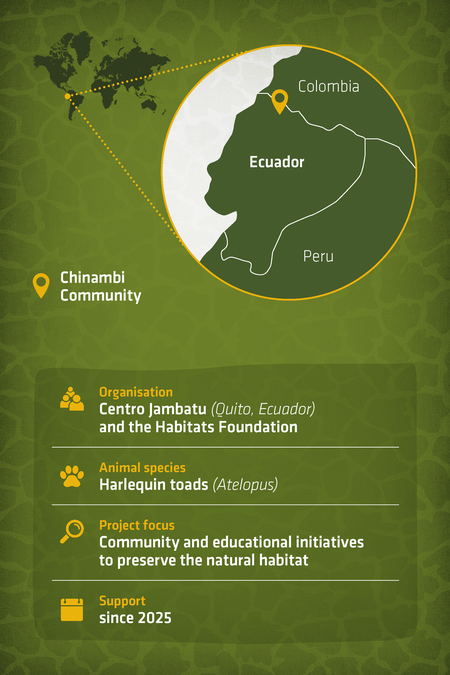
In Valle Chinambí, a small Andean valley, these two species of harlequin toads inhabit the rainforests along five small rivers. It is not yet clear whether these species have survived outside this valley. These unique amphibians require clean mountain streams for spawning. Human activities such as mining, deforestation to create agricultural land and erosion are polluting watercourses and destroying their habitats. That is why Hellabrunn Zoo, together with the Centro Jambatu in Ecuador and the Habitats Foundation, is protecting the last remaining individuals of these nearly extinct species.
Since 2024, watercourses have been examined using scientific methods to detect traces of harlequin toad DNA. Where the DNA search yielded a match, intensive monitoring was carried out to determine whether harlequin toads were present and, if so, how many. All recorded occurrences are located within areas used for agriculture. Plans have been developed in collaboration with local farmers to conserve these habitats. The next step is to permanently safeguard and restore the most important areas. In collaboration with the local authorities, educational programmes are being run in the project area, which have been met with great interest and enthusiasm. As a result, a large amphibian festival is now celebrated there every year.
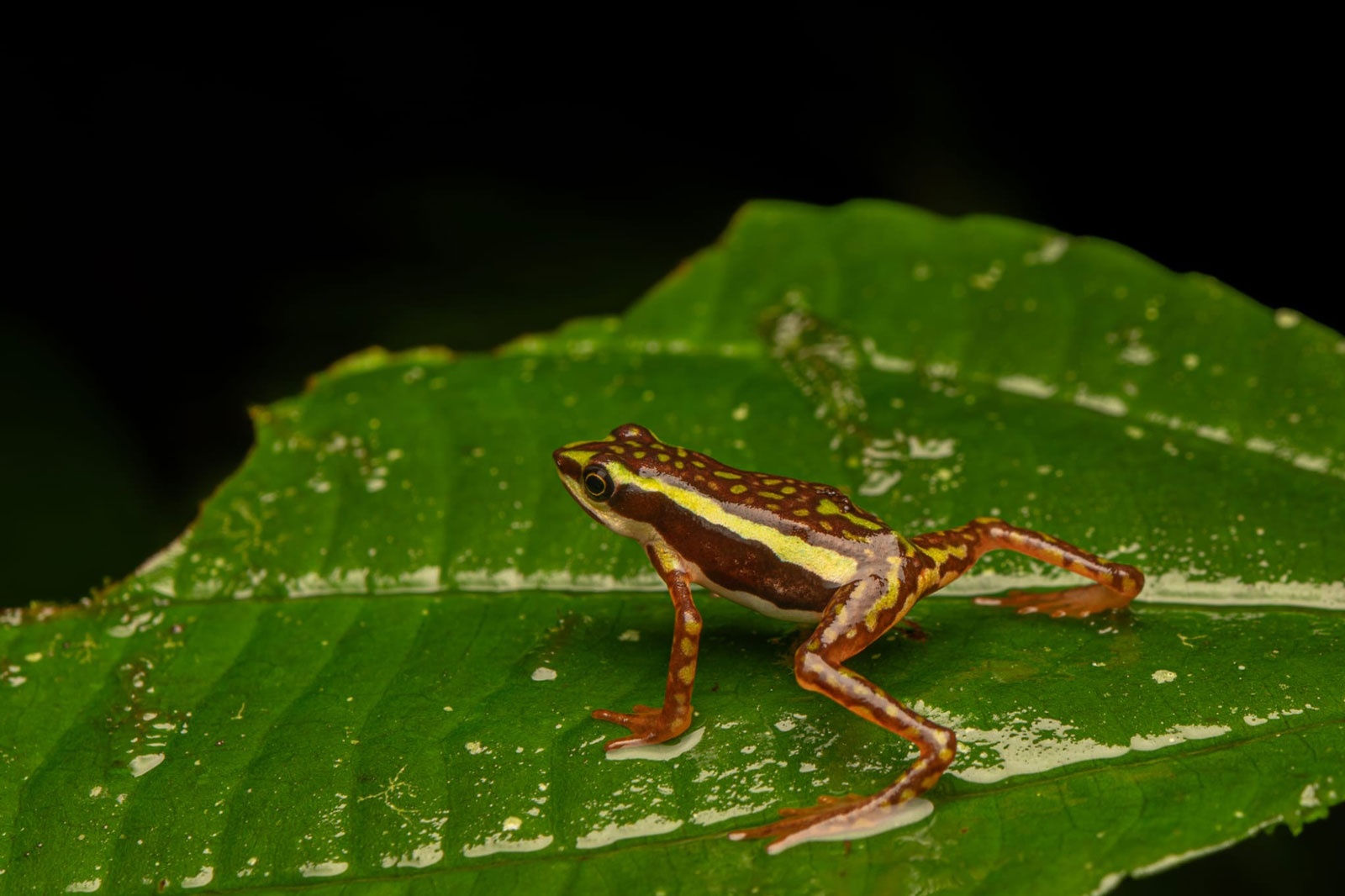
Atelopus coynei 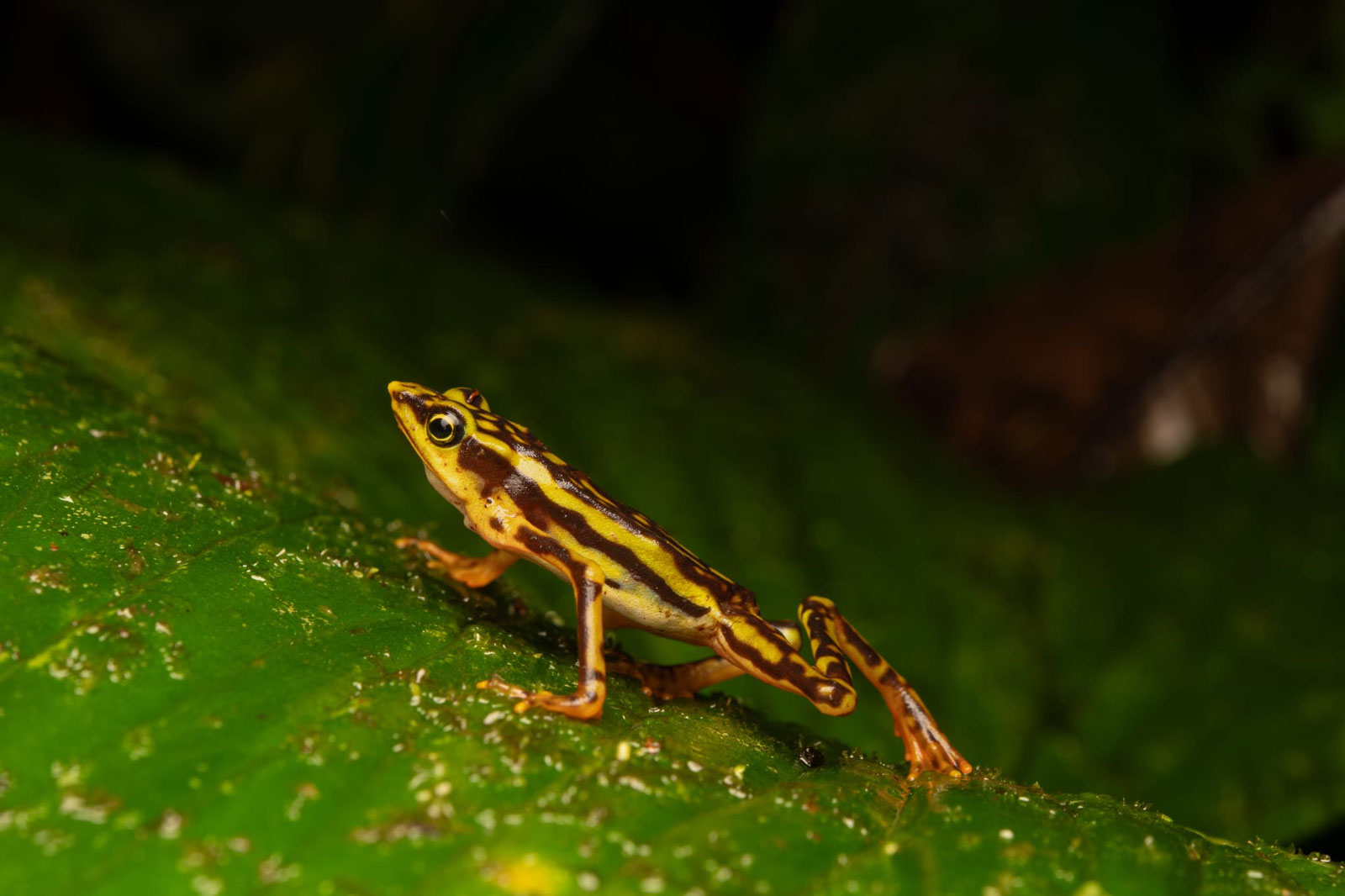
Atelopus lynchi 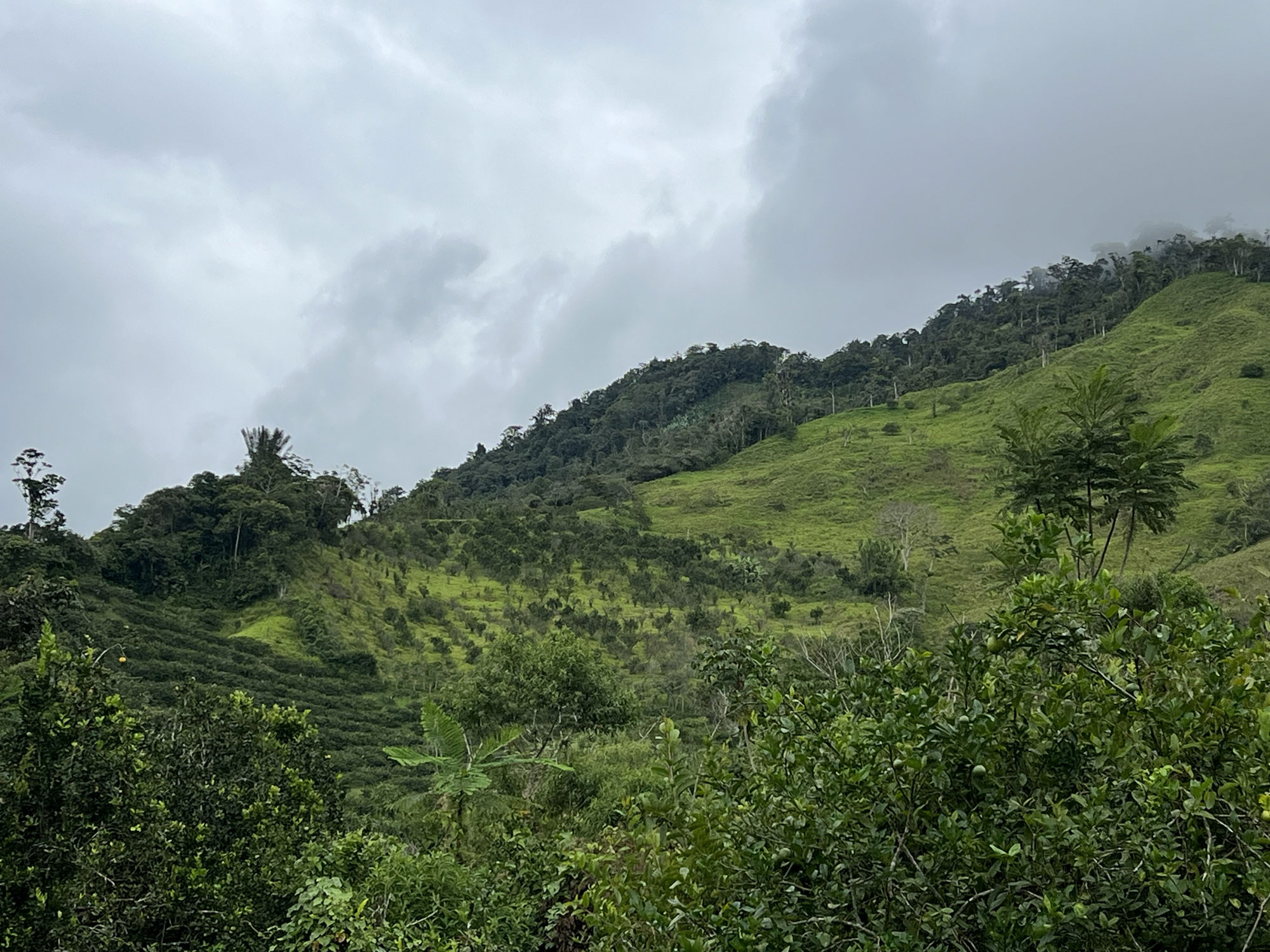
Agriculture is encroaching ever further into the habitat of the harlequin toad.