
The Przewalski’s horse has been extinct in the wild since 1969. The fact that it still exists today is largely down to the work of Prague Zoo and Hellabrunn Zoo – these two zoos were the last zoological institutions to successfully breed Przewalski’s horses. There is now a very successful studbook, which is coordinated by Prague Zo
Several thousand years ago, wild horses in various forms were still widespread across Europe and North Asia. The Przewalski’s horse is the last surviving species of wild horse. Like all megaherbivores – that is, large herbivores – it has a significant impact on the ecosystem and opens up habitats for smaller animal species.
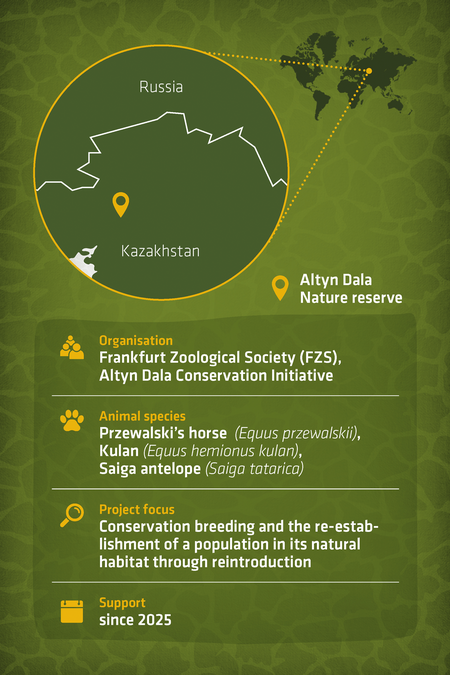
In the Kazakh steppe, it is one of the largest herbivores alongside the kulan (Asian wild ass) and the saiga antelope. To ensure that Przewalski’s horses can fulfil their ecological role and that the steppe can be revitalised, Hellabrunn, together with the Frankfurt Zoological Society and the Altyn Dala Conservation Initiative, is helping to re-establish a stable population of wild horses in the steppes of Central Kazakhstan through annual reintroductions into the wild.
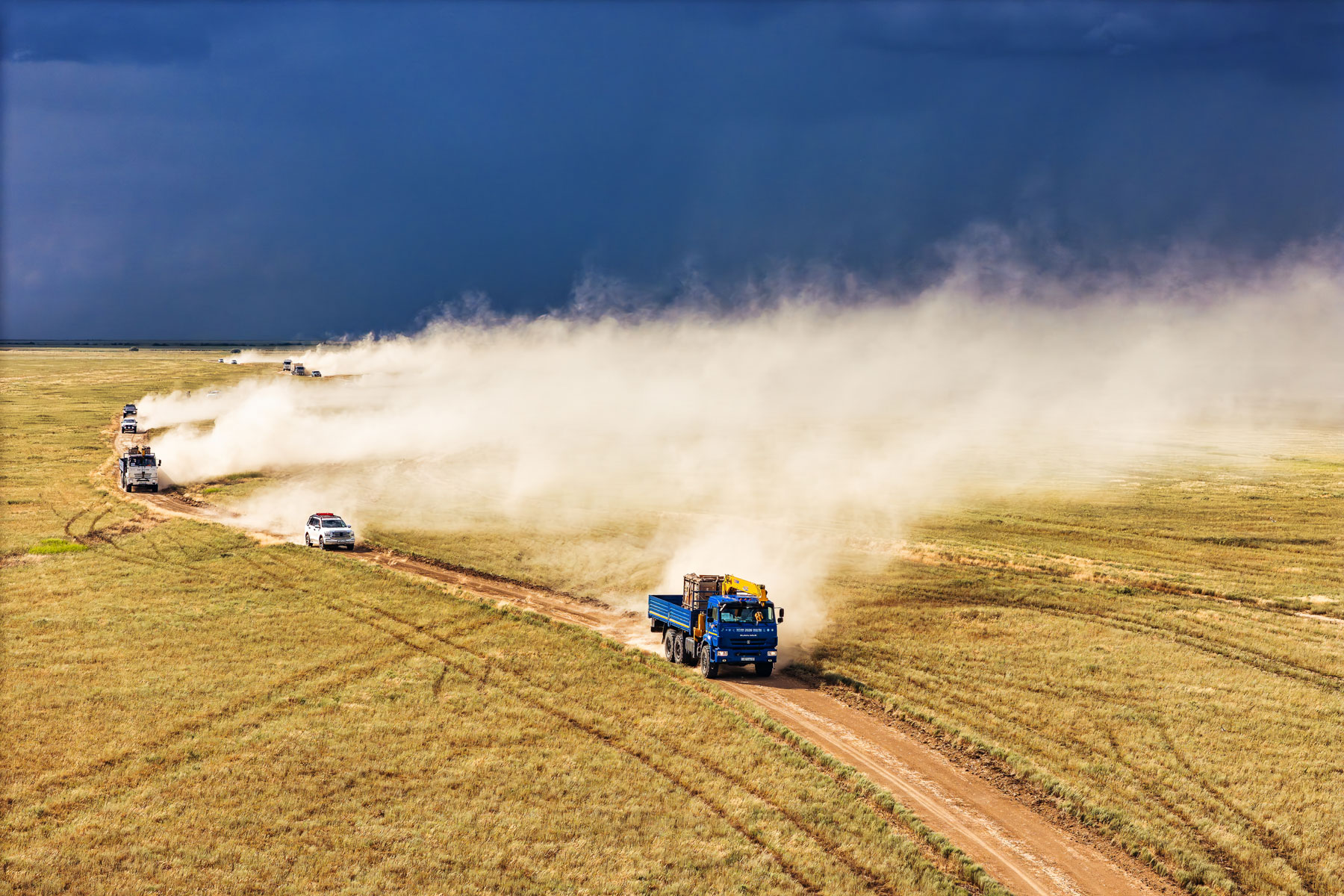
First by plane, then by lorry, the wild horses make their way from European zoos to the steppes of Kazakhstan. 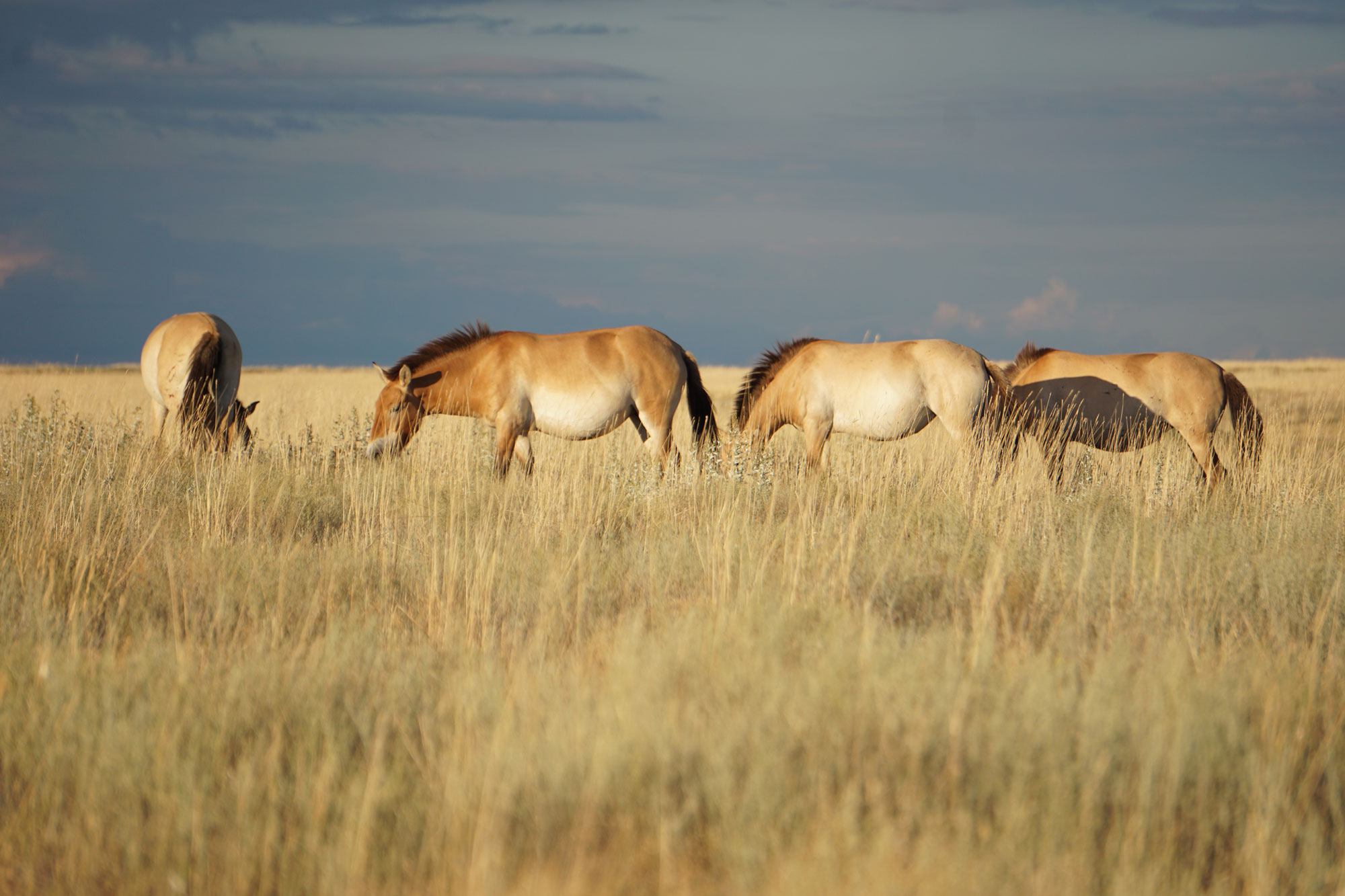
Przewalski’s horses successfully reintroduced into the wild in the Altyn Dala steppe. 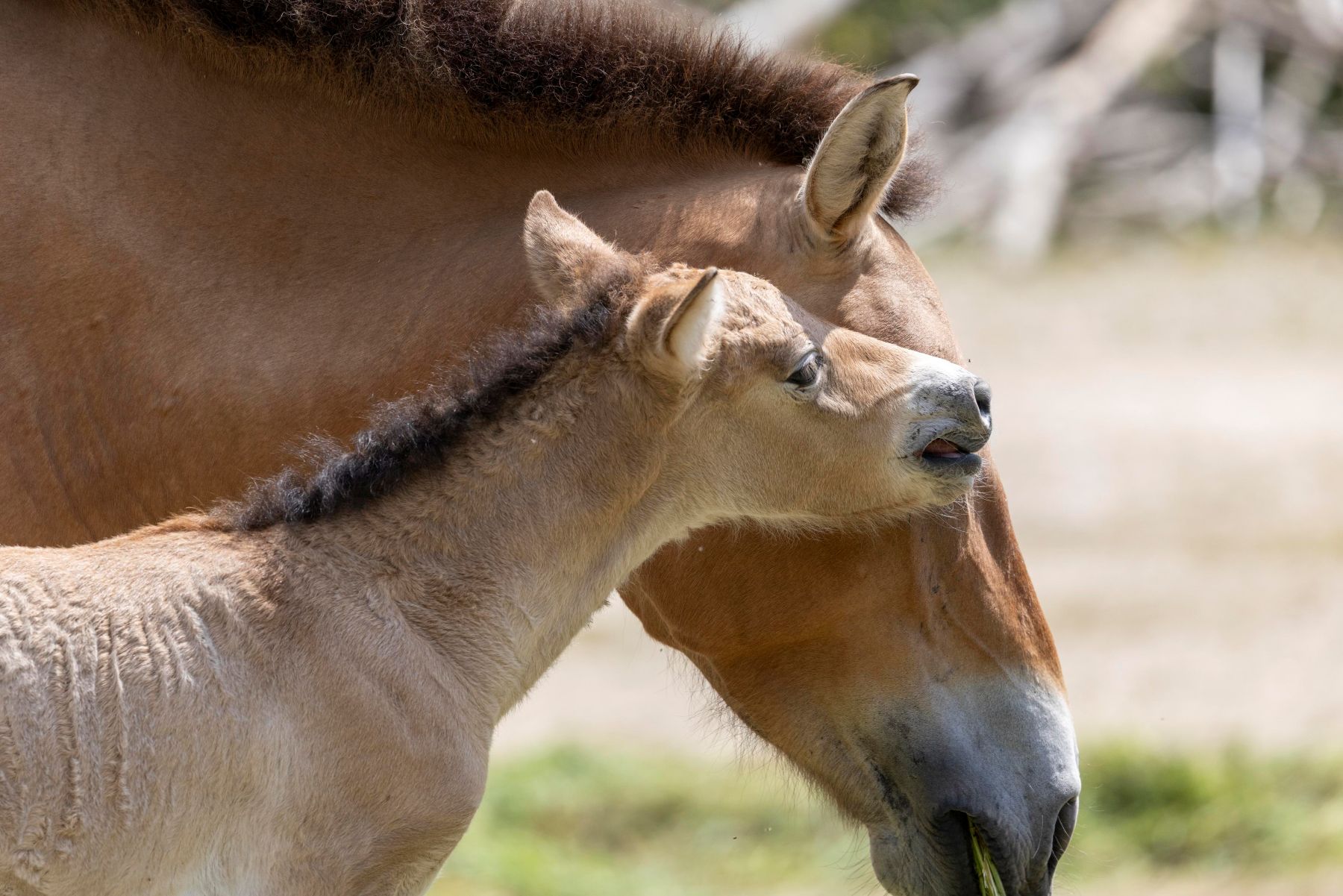
Successful breeding: One of the three Przewalski’s horse foals in Hellabrunn.