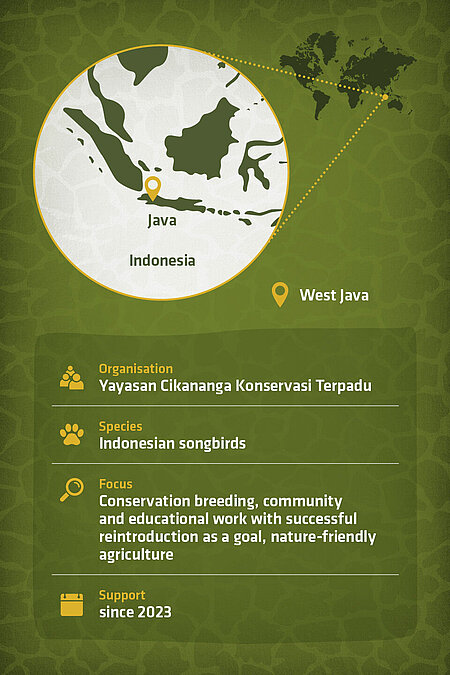
With the revamping of the Jungle World, Hellabrunn Zoo underlines its commitment to conserve and protect Indonesian songbirds. In 2023, the zoo became one of the three core partners of the Cikananga Wildlife Center that provide technical support for conservation breeding of endangered endemic birds in Indonesia.
Silent forests
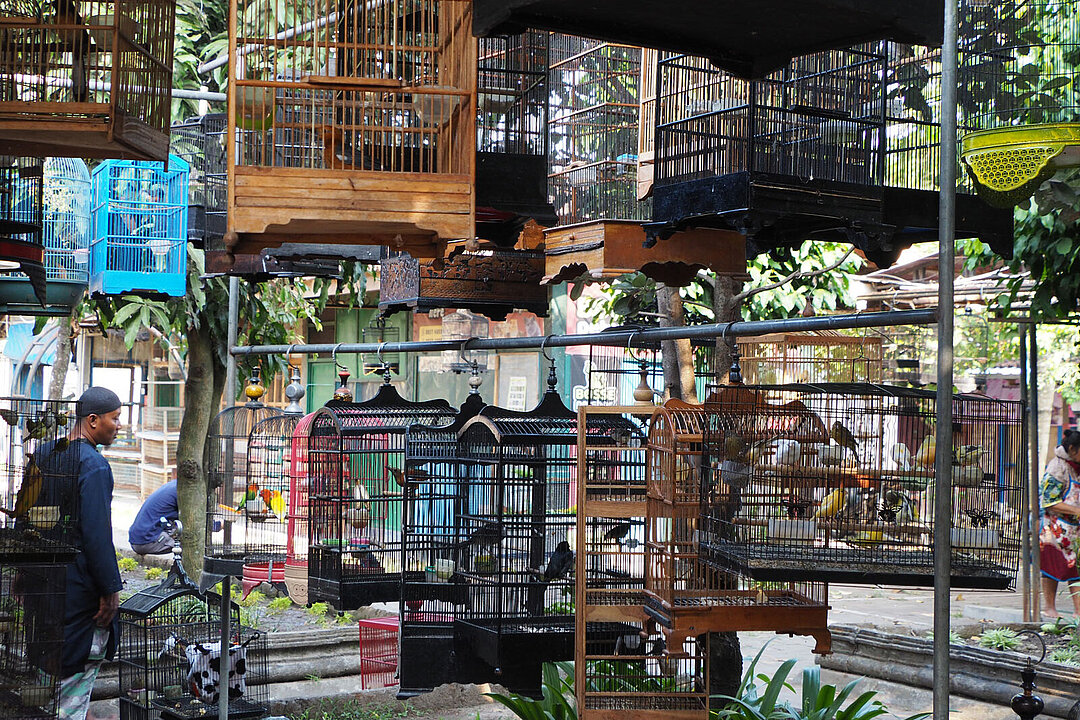
The songbird species in the rainforests of Southeast Asia face numerous threats. The most challenging are deforestation - to make way for monoculture plantations of energy crops such as oil palms - and the illegal wildlife trade. Owning songbirds has a long tradition in Indonesia, which has seen millions of birds captured and taken from the wild and sold. They are often kept as pets or groomed for songbird competitions, a popular and highly lucrative pastime. Poaching is so rife that the remaining wild populations are unable to replenish their numbers. With fewer and fewer songbirds left in their habitat, the forests are falling silent. Many songbirds in Asia are now threatened with extinction. The EAZA Silent Forest Campaign has been working to raise awareness of the crisis since its launch in 2017.
Path to recovery
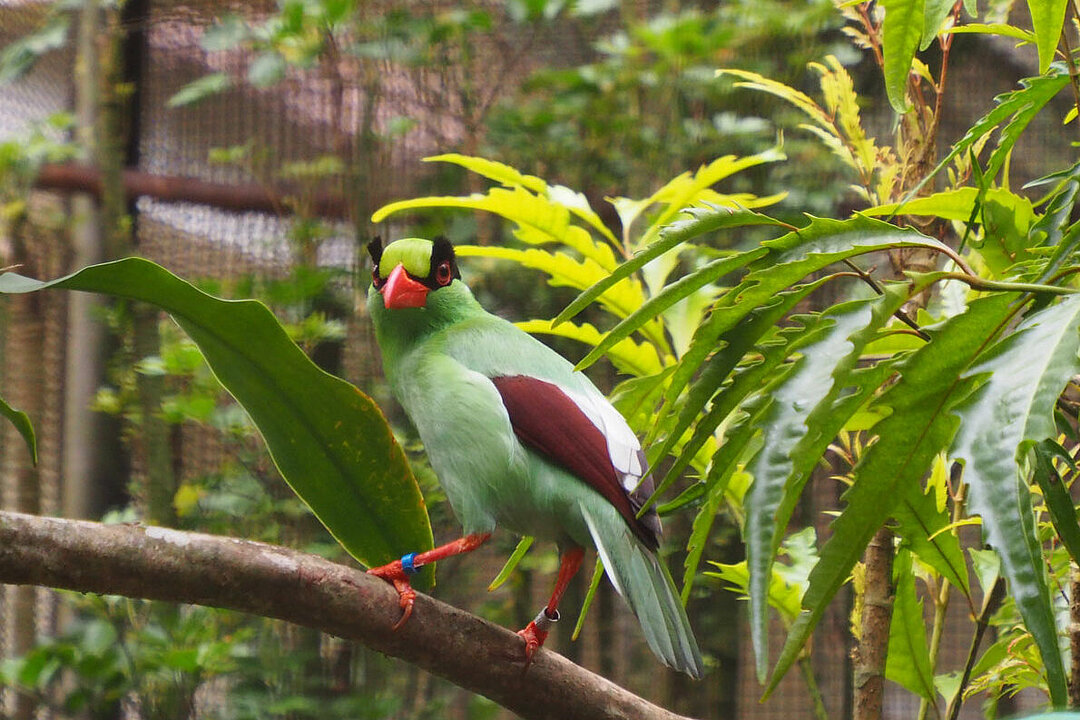
To bring the silent forests back to life, the Cikananga Conservation Breeding Center (CCBC) works ceaselessly to breed highly endangered songbird species that are endemic to Java, such as the Javan green magpie (Cissa thalassina) and black-winged myna (Acridotheres melanopterus). After demonstrating good breeding success with the birds, Cikananga is now ready for the next step – reintroduction. This is not that easy, because the team not only have to find a suitable release site, but also make sure that the birds do not end up right back on the illegal wildlife market! The best way to prevent this is by raising awareness among the population. The Cikananga team talk to local poachers, work with the community to develop alternative income opportunities and educate the children about the need to protect the unique beautiful nature on their doorstep.
Sustainable agriculture
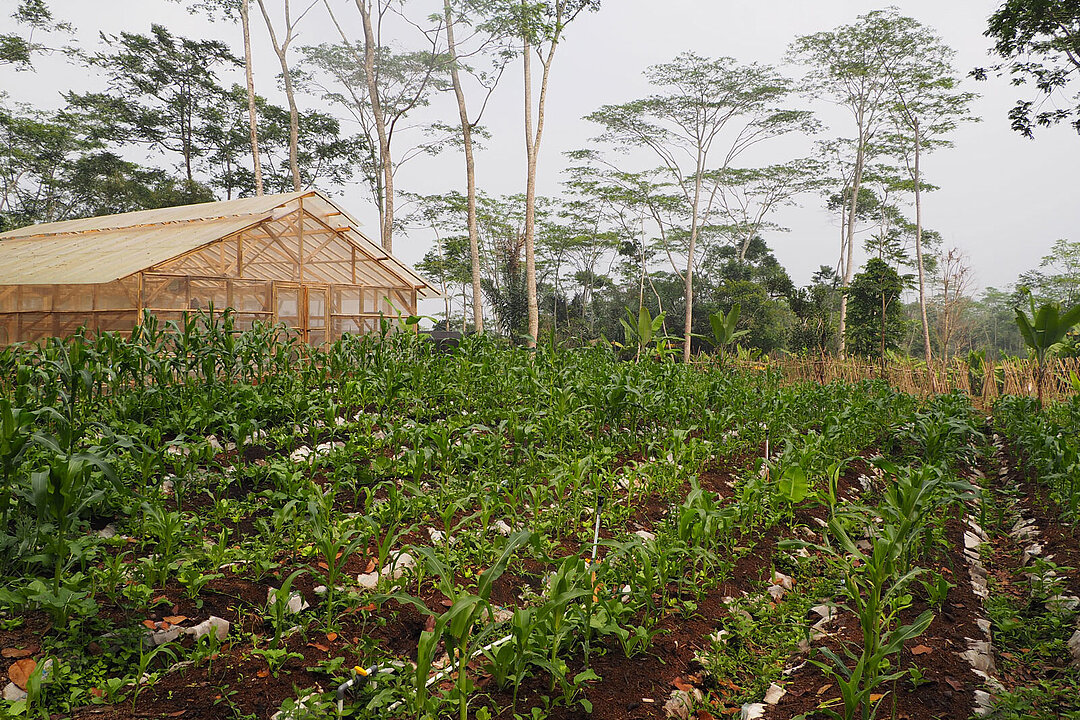
In order to meet the animals' dietary needs, Cikananga has an insect breeding facility and a sustainable farm. It makes its own compost by combining manure and leftover feed. This compost is then added to various fodder plant beds. It places an emphasis on crop rotation and mixed culture when selecting plants for cultivation – just like in our Cottage Garden in the Mühlendorf. And in addition to growing feed, the centre aims to share its knowledge and experience of sustainable cultivation methods with local farmers. The more farms in the region that switch to sustainable farming, the better and healthier it is for the population, the wildlife and nature.